When to prune — and when a cut is the problem
Updated 2026-10-18 · 9 min read · Pruning & care
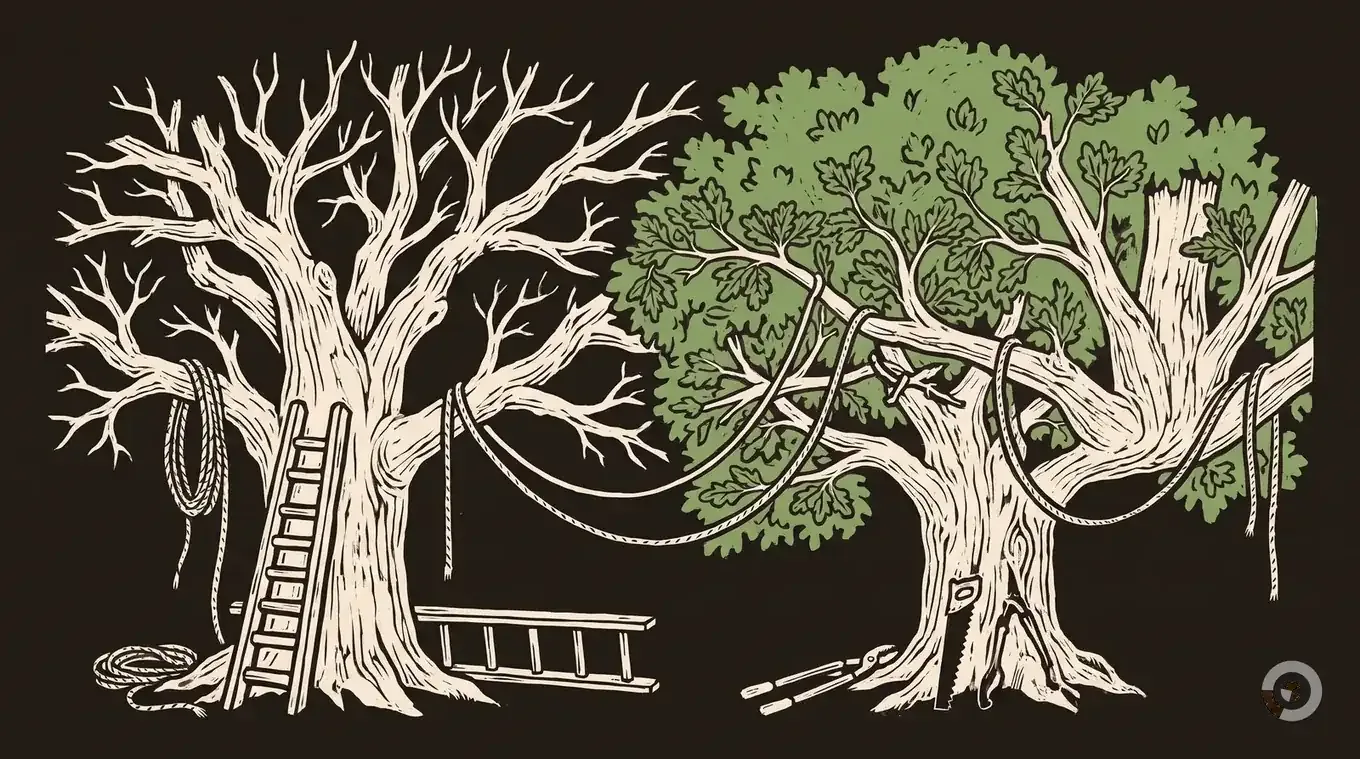
Start with the objective, not the calendar
| Objective | Best window | Why |
|---|---|---|
| Remove dead or hazardous wood | Any month | Nothing living is being cut; the risk is the wood, not the season |
| Correct structure | Late dormancy | Architecture is visible and the tree seals fast in spring |
| Reduce size or weight | Late dormancy | Maximum stored energy for the response growth |
| Slow a vigorous shoot | After the spring flush | Removing leaf area when reserves are lowest is the brake |
Why late dormancy wins by default
Late winter, close to bud break, is the standard answer for a reason that is mostly practical: you can see the branch structure without leaves, the ground is firm enough for equipment, and the tree is about to enter its fastest period of wound response. The cut is exposed for weeks rather than months.
It is also the cheapest window in a crew's year in many regions, which is why the same job quoted in February and in June is often not the same price — worth knowing before you read the trimming cost guide.
What summer pruning is actually for
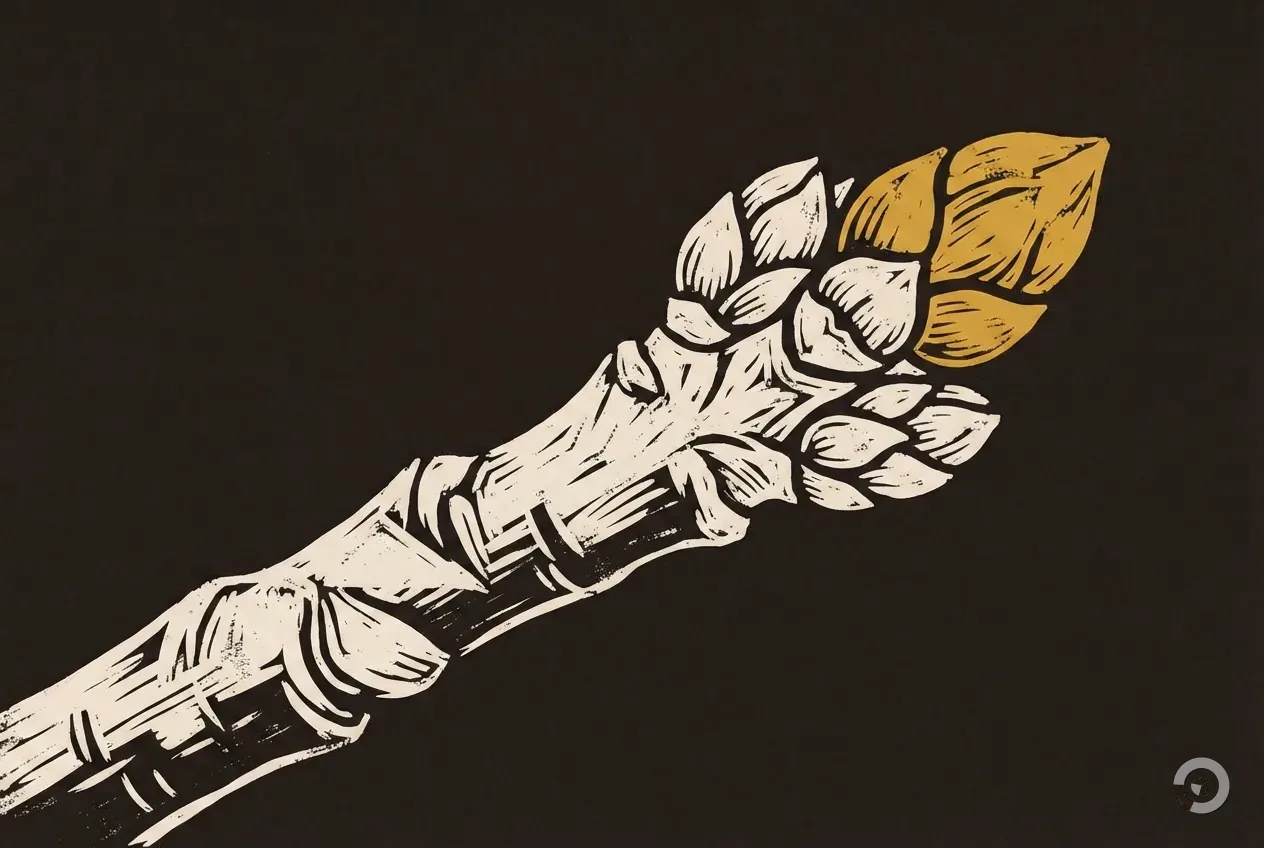
Summer pruning is not a second-best dormant season. It does a different thing. Removing leaf area after the spring flush takes away the factory the tree has just built, which reduces the vigour of the response — that is why it is the right tool for a shoot you want to slow, for fruit trees you want to keep small, and for water sprouts on a tree that was topped years ago.
Watch
The windows to avoid entirely
Two disease systems in North America turn a pruning cut into an infection court, and both are seasonal because the insect vector is seasonal:
Oaks — oak wilt
Sap-feeding beetles are drawn to fresh wounds and carry the fungal spores between trees. Regional extension services set the high-risk months locally; the universal rule is that growing-season pruning on oaks is avoided, and any unavoidable wound is sealed immediately. See oak wilt.
Elms — Dutch elm disease
The University of Wisconsin's extension service describes a similar route in elms: bark beetles carry the fungus, and human activity such as pruning can spread it. Crews keep live elm cuts to the dormant season for that reason. See Dutch elm disease.
Stop
Young trees are the exception worth making
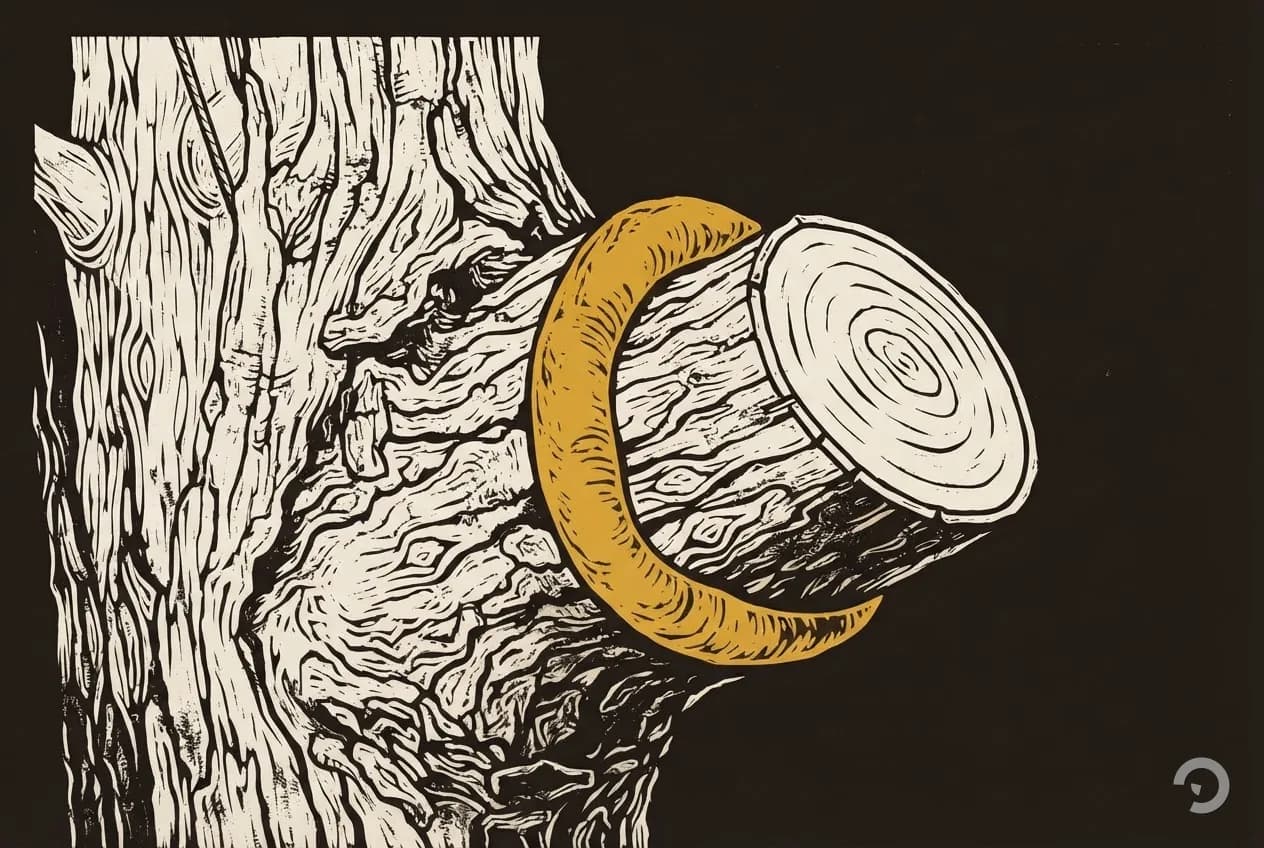
For the first eight or so years, small, frequent corrections beat one correct-season overhaul. Removing a competing leader at pencil thickness is a two-second cut that never needs a climber. The same fork at fifteen years is a rigging job and a cabling conversation.
Month by month, with the species that break these rules, is in the pruning calendar.
Sources
- University of Wisconsin-Madison Division of Extension — Dutch elm disease: beetle vectors, and pruning as a route of spreadretrieved 2026-10-18
- University of Wisconsin-Madison Division of Extension — Oak wilt: prune oaks only in the dormant season when sap and bark beetles are not activeretrieved 2026-10-18